Packaging Project Approach
Short answer: A packaging project is easier to review when the brief connects product use, format, materials, artwork, finishing, sampling, and acceptance checks. This page organizes those inputs so a buyer can prepare a clearer project discussion.
What this page covers
This is a project-planning overview for the BOYA English packaging site. It explains which information should be confirmed before a packaging request is reviewed. It is not a substitute for a product specification, a quotation, or a signed production agreement.
Start with product use and format
Begin with the product that the package will hold, how it will be handled, and where it will be used or distributed. Then identify the intended format, opening method, approximate dimensions, and assembly requirements. These inputs help separate a structural question from a print or finishing question.
Confirm materials and structural choices
Record the proposed board or material, thickness or grade when known, construction, inserts, closures, and any surface constraints. If the material is not decided, state the required function first—such as stiffness, protection, presentation, or a particular unboxing action—then ask for alternatives to be reviewed against that function.
Prepare artwork and colour references
Share the latest artwork files, dieline status, brand colour references, variable-data requirements, barcode ownership, and any areas that need special attention. A review should distinguish the supplied artwork from the final approved production file; a screen image alone does not establish a finished print result.
Define finishing and the sample or proof route
List the finishes that matter to the decision, such as coating, foil, embossing, debossing, or a special texture. Also state whether the project needs a digital proof, a physical sample, a structure mock-up, or another agreed review step. The sample or proof should be judged against the acceptance points agreed for that project.
Set acceptance and delivery checks
Before approval, write down the checks that will decide whether the package is acceptable: dimensions, construction, artwork version, colour reference, finish, quantity, packing method, destination, and any project-specific inspection or transport requirement. Avoid treating a general example or an image as evidence of a result for a different project.
What to send for an RFQ discussion
- Product use, package format, dimensions, and estimated quantity.
- Material or board preference, insert or closure requirements, and finish choices.
- Artwork status, dieline availability, colour references, and barcode or variable-data notes.
- Sample or proof preference, destination, timing assumptions, and acceptance checks.
For the relevant packaging categories, see Services. For project questions, use the contact details on the Contact page.
Evidence and scope note
Photos, diagrams, or a project description do not by themselves prove customer identity, certification, material specification, performance, or current production availability. This guide is not a quote, order confirmation, certification, capacity statement, or delivery promise; those points must be confirmed for the specific project.
Packaging reference scope
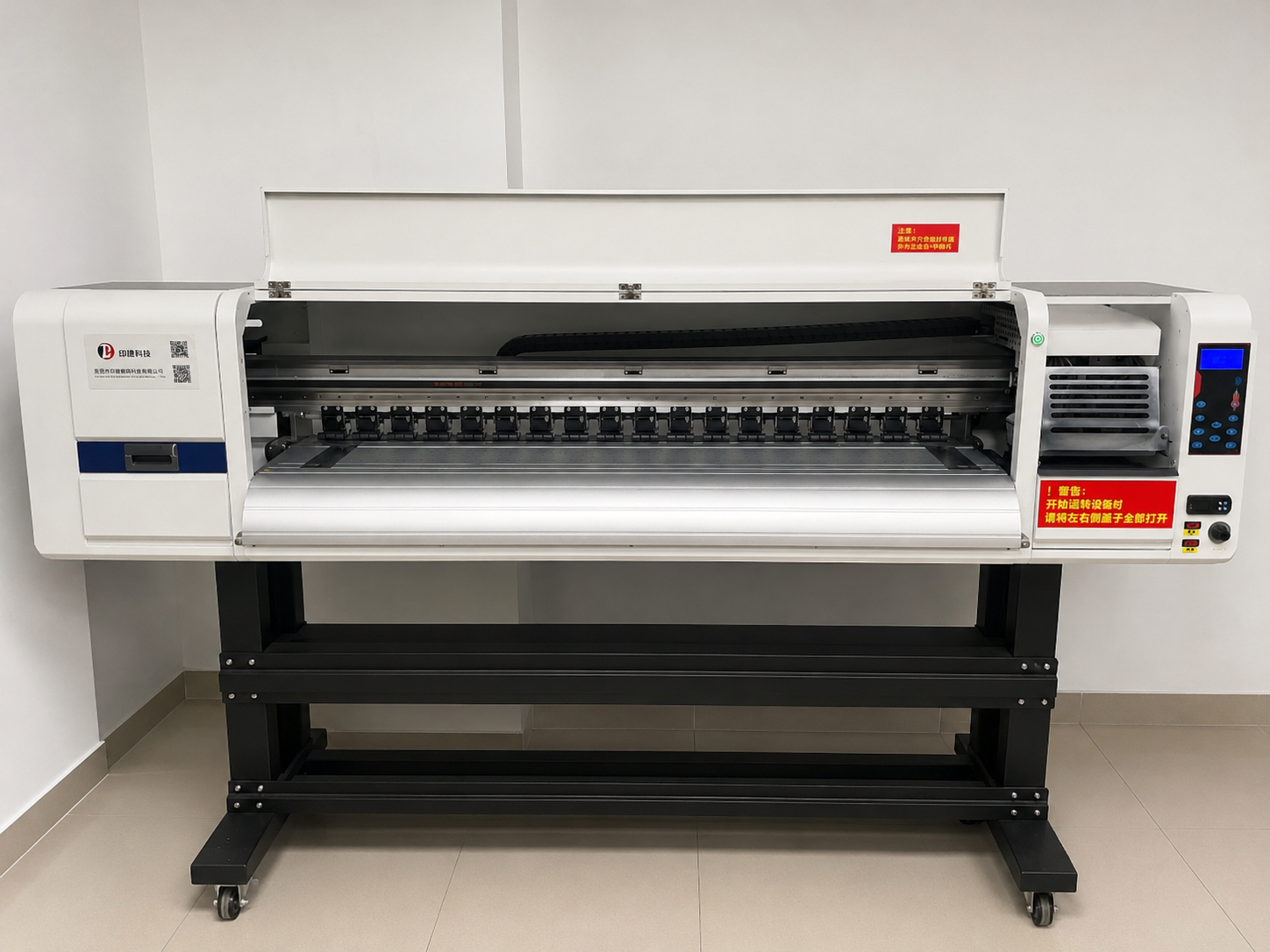
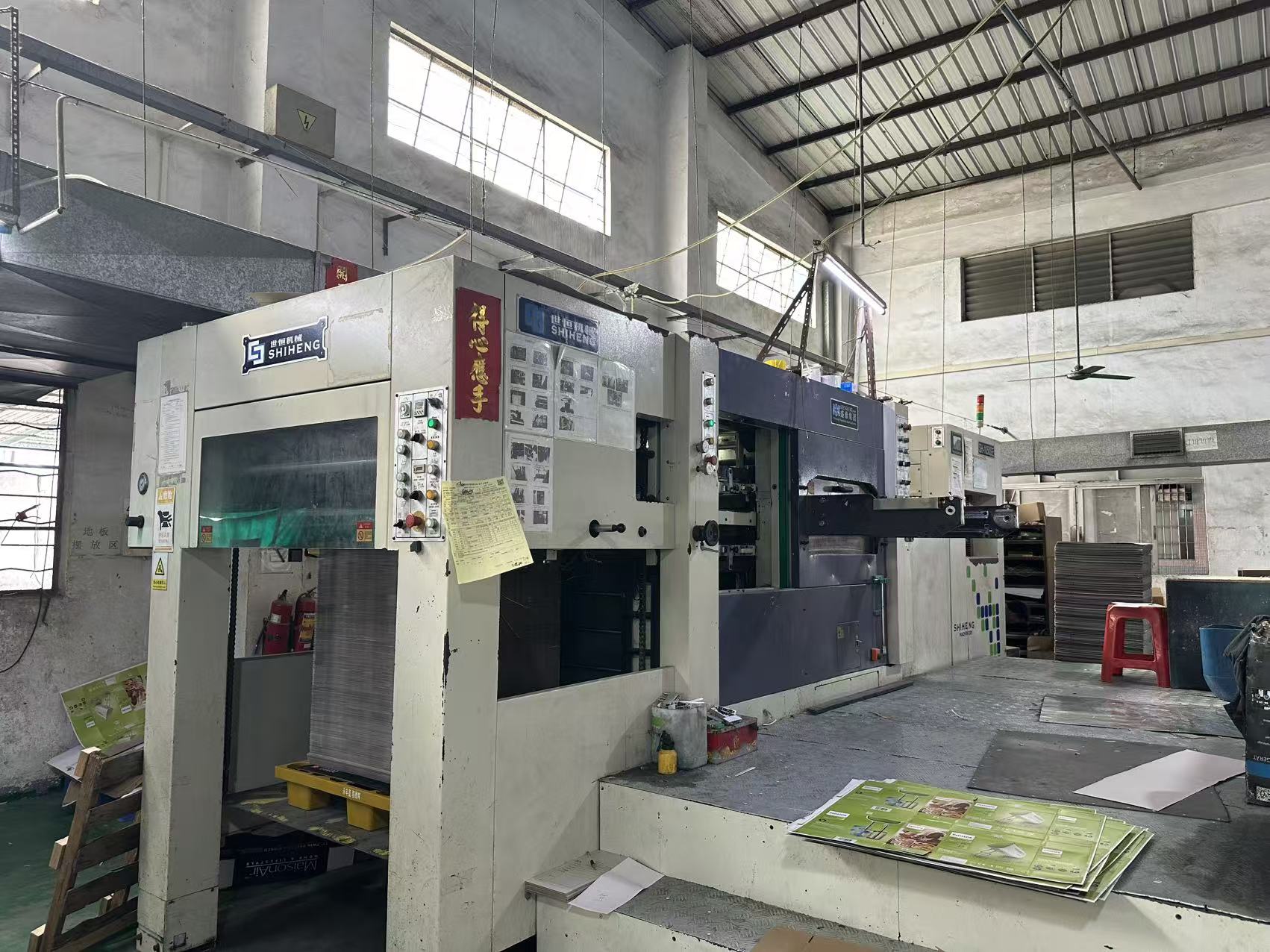
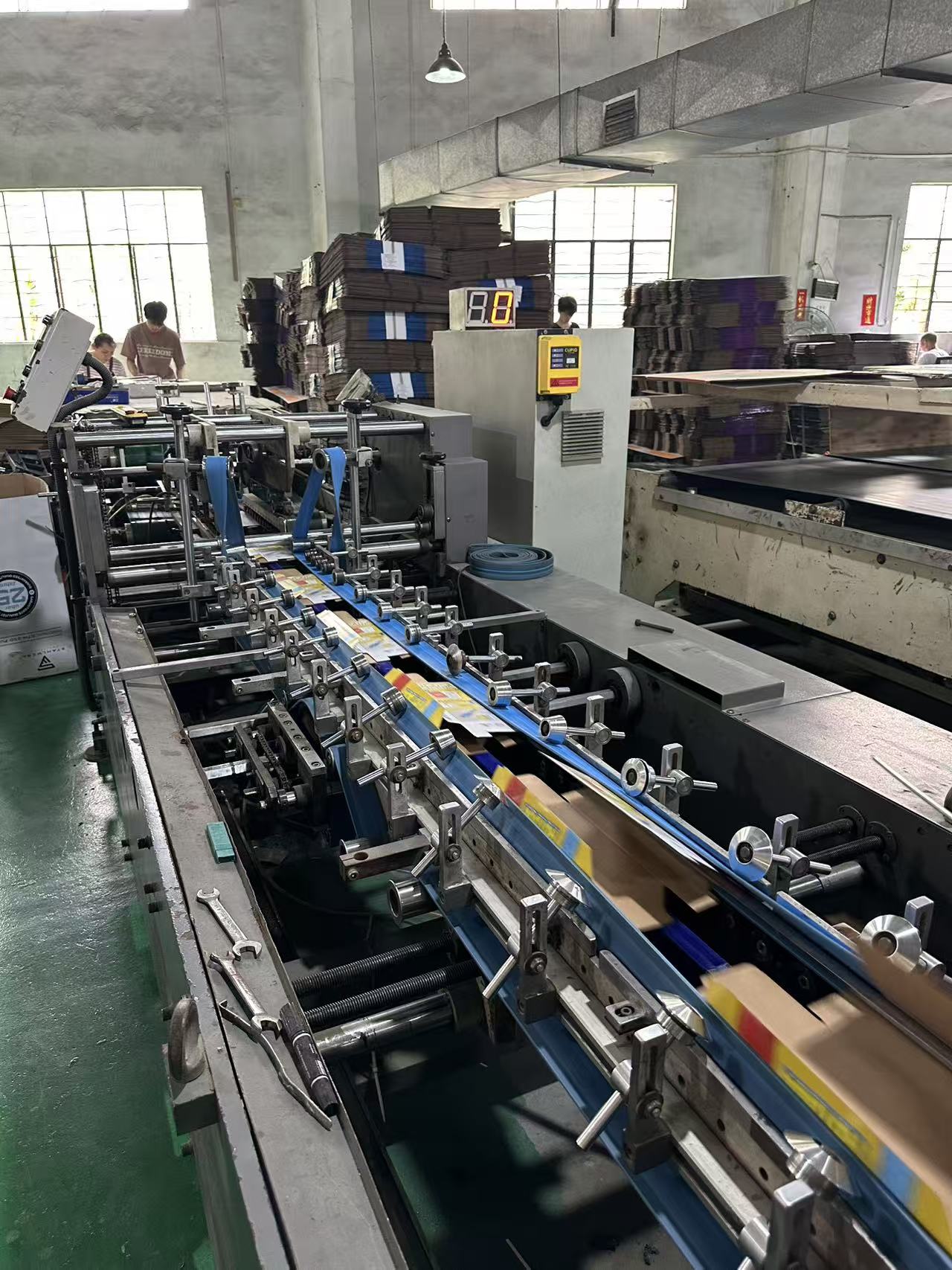
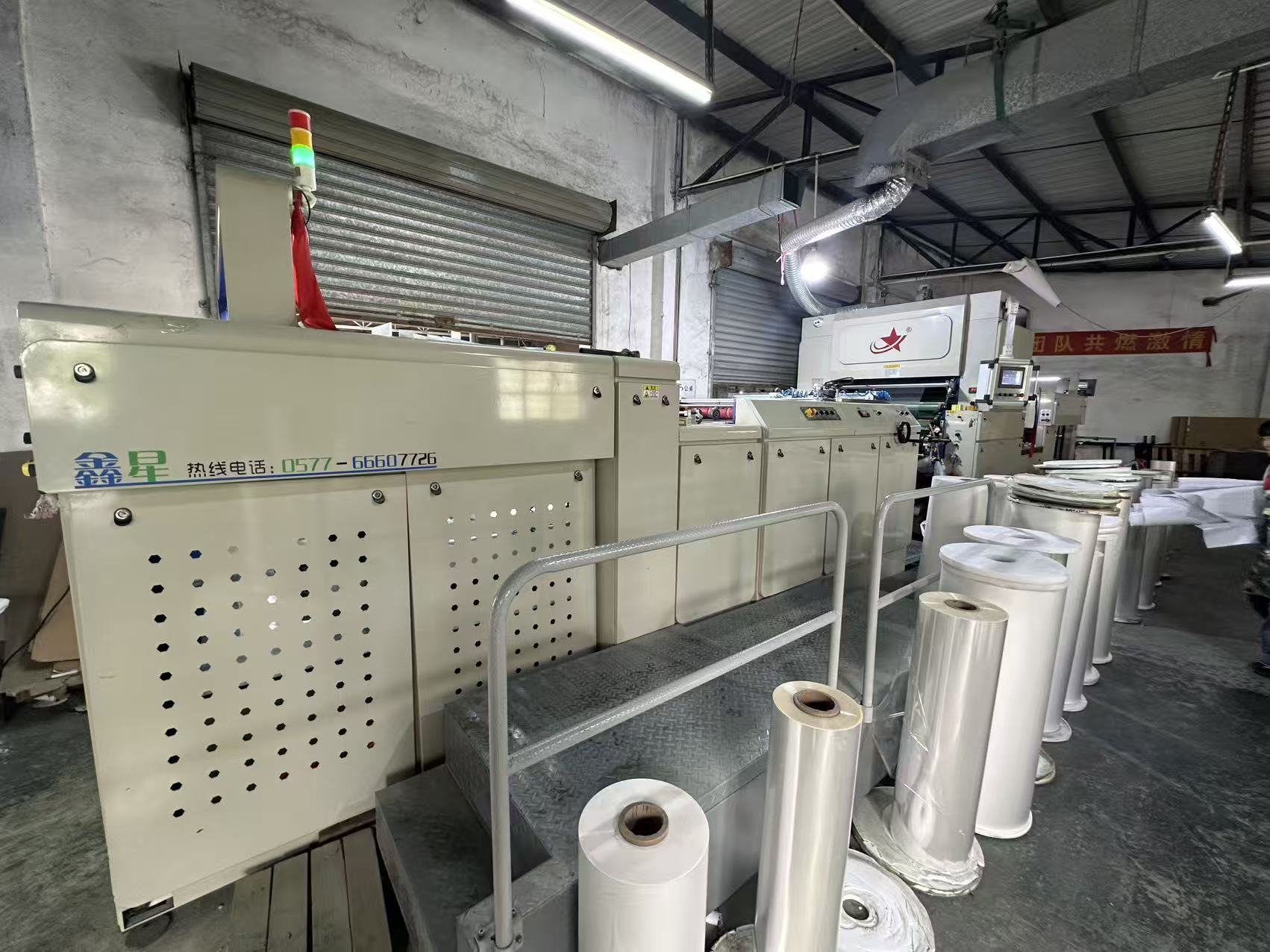
This page uses visual examples to discuss packaging formats, structure, materials, finishing, sampling, and acceptance conditions. Images and labels are references for project discussion; they do not by themselves prove equipment ownership, certification, customer identity, capacity, or current availability.


Proof and sample review
Structure and finishing review
Inspection and acceptance questions